
Asian Parents Do Everything American Experts Warn Against, and It Works
The research is settled, and it is awkward. Asian-American kids win on effort, not IQ, because their immigrant parents do the opposite of what American experts advise: high expectations, ability treated as built rather than born, and a second classroom at home.

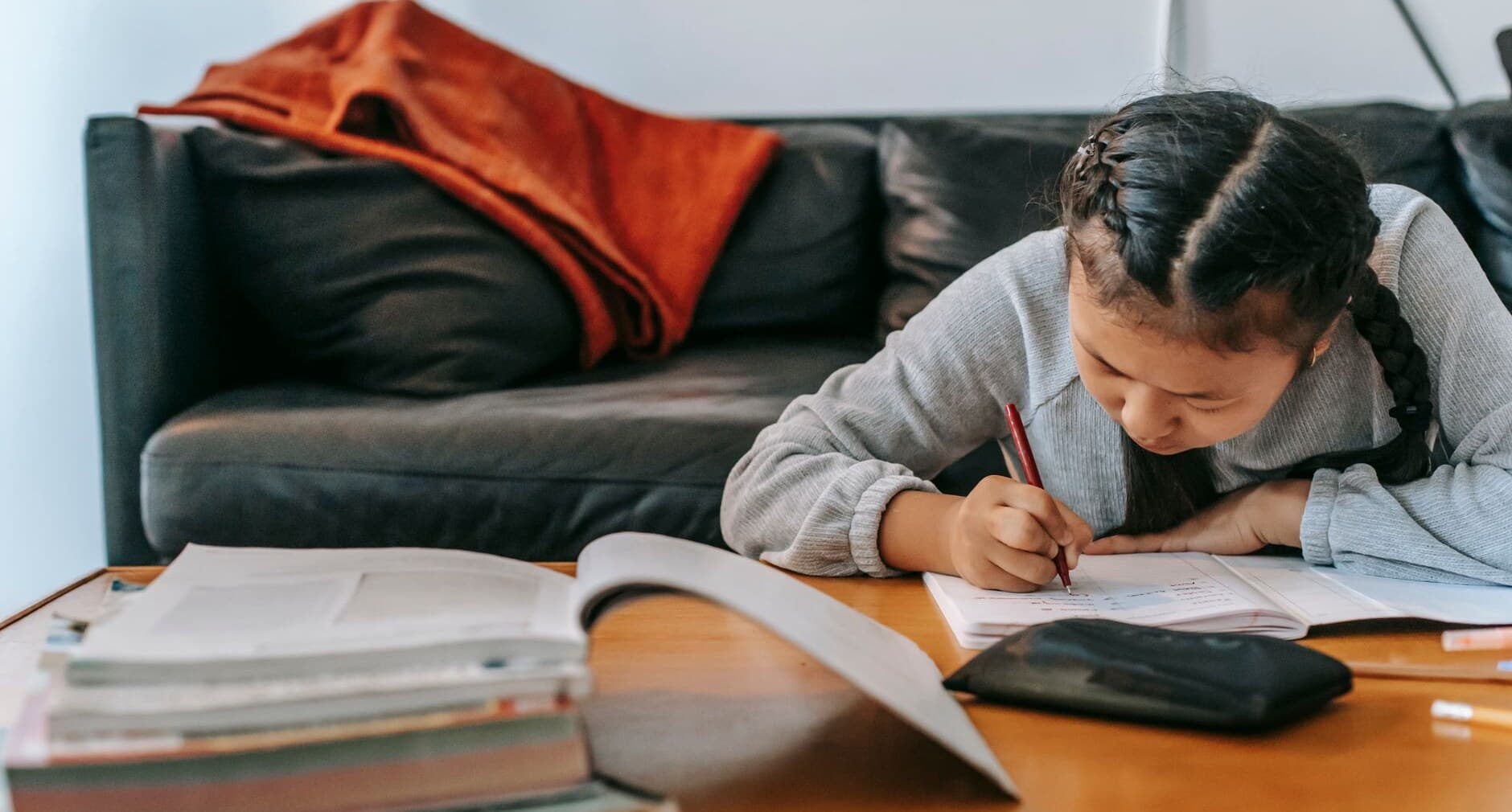
The most effective parenting program in America is the one every expert tells you to quit.
You will not find it in a bestseller or a TED talk. You will find it in immigrant kitchens, where parents heard the official advice, ease off, protect the self-esteem, do not push, and quietly did the opposite.
The children of poor Chinese and Vietnamese immigrants, from families with higher poverty rates than white Americans, routinely outscore middle-class native-born white kids. The most expensive input in American education, money, turns out not to be the variable.
It was never about being smarter
The flattering explanation is that these kids are simply born sharper. The research says no, and it is not close.
In the most cited study on the question, sociologists Amy Hsin and Yu Xie followed students from kindergarten through high school. Asian-American children enter school with no measurable edge. The advantage is built. It grows year over year, peaks around tenth grade, and by senior year almost all of it traces to academic effort rather than tested ability.
Effort. The least fashionable word in the building.
Two parenting styles, and one of them is rude
So look at the two styles honestly, because the contrast is the entire story, and it has less to do with race than with method.
The American, expert-approved style optimizes for the child's feelings. Pressure gets treated like lead paint, a hazard to be removed from the home. Ability is treated as something you are issued at birth: she is just not a math person, he is more of a creative type. When the kid hits a wall, the loving move is to lower the wall.
The immigrant style treats ability as something you accumulate, like savings, and it says so out loud. The same researchers found Asian and Asian-American students are far more likely to believe you can learn to be good at math, while their white peers lean toward thinking you either have it or you do not.
That belief is the quiet center of everything. One group of children hears "you're not a math person" as a verdict. The other has never been handed the sentence.
This is, almost word for word, the "growth mindset" that American schools laminate onto hallway posters. The immigrant parents skipped the poster and ran the program at home.
School is necessary, and nowhere near enough
A belief like that only matters if you act on it, and these parents do, the moment the last bell rings.
The expert-approved model outsources education to the professionals and treats home as the place you recover from school. The immigrant model assumes the institution will not be enough and builds a second one: the after-dinner drilling, the weekend academy, the tutor, the worksheet nobody assigned.
When San Francisco gutted middle-school math, a retired stockbroker named Rex Ridgeway tutored his granddaughter himself, first grade through ninth, filling what he called the district's deficiencies in math, English, and science. She is in college now. He did not wait for the school to be good.
That instinct, to audit the institution instead of trusting it, is the immigrant move whether or not the family fits the brochure. It is also, not by accident, the parental-rights instinct.
High expectations, stated like a fact
The most uncomfortable habit is the simplest: these parents expect more, and they say it to the child's face.
The finding is consistent: Asian-American parents hold higher educational expectations and are, in the dry language of the field, more authoritarian and less permissive than white American parents. Not crueler. Clearer. The bar is named, the bar does not move because the week was hard, and the child is told in advance that they are capable of clearing it.
American parenting advice has spent two decades reframing a lower bar as a kindness. "I just want them to be happy" is a lovely sentence that has quietly done a great deal of damage.
The honest part: this is not free
Now the part the tiger-parenting boosters skip, because an honest column does not get to.
The same study that found the achievement found the bill. Asian-American kids reported lower well-being, less time with friends, and more conflict with their parents. A childhood organized around achievement costs something, and the child pays a real share of it.
So this is not a commercial for misery. The American style overcorrected so hard the other way that it now optimizes for a calm dinner table and a kid who cannot do fractions. There is a setting between drill sergeant and concierge, and the immigrant parent usually lands closer to it than the parenting podcast does.
Follow the incentive
Which leaves the only question that matters: if the effortful approach so plainly works, why does the entire American advice industry point the other way?
Follow the incentive, which is always more honest than the foreword.
Comfort sells. "Ease off, it is not your fault, every child blooms in their own time" moves books, fills conferences, and absolves the buyer. "Make your kid do ninety minutes of math they hate" does not get a Netflix special. The advice is optimized for the parent's anxiety, not the child's algebra.
And the schools that strike the same pose are not a coincidence, because they are selling parents the identical philosophy and then enforcing it in the building: drop the gifted test, end eighth-grade algebra for equity, grade without zeros, swap a merit exam for a lottery until the failing grades triple and the parents force it back. San Francisco ran the algebra version for twelve years, watched math proficiency sit at 42 percent, and quietly restored the class this spring. The household and the schoolhouse are selling the same comforting product. The immigrant parent simply is not buying.
The fix is embarrassing because it is free
The fix does not require a book deal, which is probably why it does not have one.
State the expectation out loud and do not move it. Treat ability as something your kid builds, and never hand over the "not a math person" exit. Treat the school as necessary and not sufficient, then build the second classroom at the kitchen table. Let the kid struggle long enough to learn that struggle is survivable. That is where real confidence comes from, the thing the self-esteem movement kept promising and never shipped.
None of that is Asian. It used to just be called raising a child. We renamed it tiger parenting so we could feel superior to it while the scores fell.
What we are actually exporting
There is one last finding in that research, and it is the one nobody quotes.
The advantage fades by the third generation. As the families assimilate to American norms, the edge dissolves. The effort, the expectations, the belief that ability is built, all of it washes out as the grandchildren become comfortably, fully American.
Read that twice. The thing that works does not survive contact with the way we now raise children. We are not failing to import the secret. We are training it out of the only families who still have it, one reassuring parenting book at a time.
The immigrant mother at the center of every tiger-parent panic was never the cautionary tale. She was the control group. And we have spent a generation talking her out of the one thing she was doing right.

About the author
Dyson Wu
Education and Incentives Columnist
Examining the stories schools tell, the incentives behind them, and the consequences parents and students are expected to ignore.