
Three Universities Promised to End DEI. The Same People Are Still in Charge.
UNC raised the flag and kept the DEI chief. Texas created a watchdog that investigates almost nothing. Michigan shut down DEI offices and rebranded the same programs. Three universities, three gestures, zero actual change.

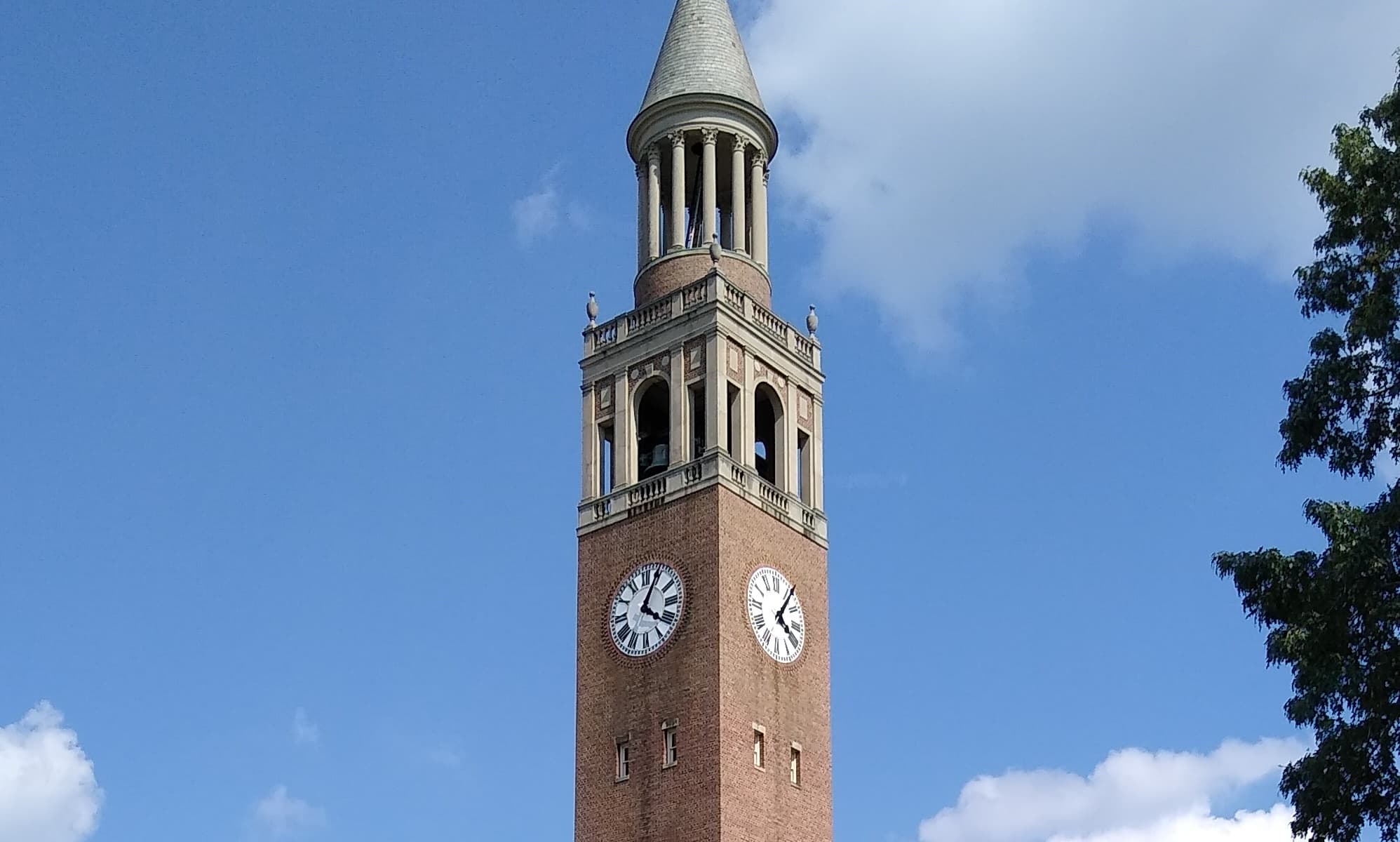
In April 2024, protesters at the University of North Carolina at Chapel Hill replaced the American flag with a Palestinian flag. Interim chancellor Lee Roberts walked across campus with police officers, took down the Palestinian flag, and raised the Stars and Stripes.
The video went everywhere. Roberts looked like a man of action. A few months later, he got the permanent chancellor job.
UNC is not alone. Across the country, universities are announcing DEI reforms, closing offices, and creating watchdogs. The gestures are visible. The org charts are not.
North Carolina: The Flag and the Vice Provost
UNC announced itself as a model for higher education reform. The Board of Trustees adopted an institutional neutrality policy. They created something called the School of Civic Life and Leadership. They closed the primary Diversity and Inclusion Office.
Then UNC kept Leah Cox, the person who ran that office, as vice provost. When the UNC System rolled out its new "Equality Within the University of North Carolina" policy, they tapped Cox to help implement it. The DEI chief is now implementing the anti-DEI policy. It is the kind of résumé pivot that only happens in higher education.
Faculty hiring is still overseen by Giselle Corbie, the senior vice provost for faculty affairs, who has argued that racism is "the fabric of our country" and questioned "the fallacy of meritocracy." She decides who gets to teach.
Texas: The Watchdog That Does Not Bite
Texas passed one of the most aggressive DEI bans in the country. Governor Abbott created an Office of the Ombudsman to enforce it.
In its first five months, the office received 69 complaints about Texas universities: banned DEI initiatives, restrictions on conservative speech, interference in academic affairs.
It opened one investigation. One.
The other 68 complaints were closed without investigation. The ombudsman, Brandon Simmons, did not respond to questions about his office's work. One imagines he is very busy.
Michigan: The Rebrand
The University of Michigan announced in 2025 that it would shut down DEI offices and programs in response to federal pressure.
Research by Mark J. Perry at the American Enterprise Institute found that a majority of Michigan's DEI staff remain employed. The initiatives were not shut down. They were rebranded.
The campus now has signs listing "Core Values: Integrity, Respect, Inclusion, Equity, Diversity, Innovation." The website is culturejourney.umich.edu. Same staff, same programs, new font.
Follow the Incentives
These reforms did not fail. They delivered exactly what the people running them needed.
Roberts needed a permanent appointment. He got a viral moment and the job. Cox needed to keep her position. She got a new title while her office was "closed." The Board of Trustees needed to look responsive. They announced policies and created a school with the word "Civic" in the name. The announcements were the deliverable.
The pattern holds across all three states. Everyone who mattered got what they wanted. The people who did not matter, parents and students, got a press release.
What Real Reform Would Require
A trustee who wanted actual change would not settle for closing an office. They would audit the hiring committees. They would require that new faculty hires be evaluated on teaching and scholarship, not their commitment to institutional ideology. They would track outcomes: who got hired, who got promoted, what courses survived the rebrand.
A watchdog that wanted to enforce the law would investigate more than 1 percent of complaints.
None of that is happening.
The Product Is the Performance
The flag moment was not a step toward institutional change. The flag moment was the institutional change. The watchdog was the reform. The rebrand was the restructuring.
Symbolic reform is not a failure mode. It is the product. The visible gesture satisfies the audience, and the invisible org chart stays intact. The university system is working precisely as designed. The design just has nothing to do with the press releases.