
A Third of Oregon's Kids Are Chronically Absent, So the State Wants to Repeal Compulsory Attendance
Oregon's own report recommends repealing the compulsory attendance statutes, renaming "unexcused" absences, and recasting attendance as a "performance growth indicator." When the scoreboard says a third of kids are missing, the managerial class does not get better. It unplugs the scoreboard.

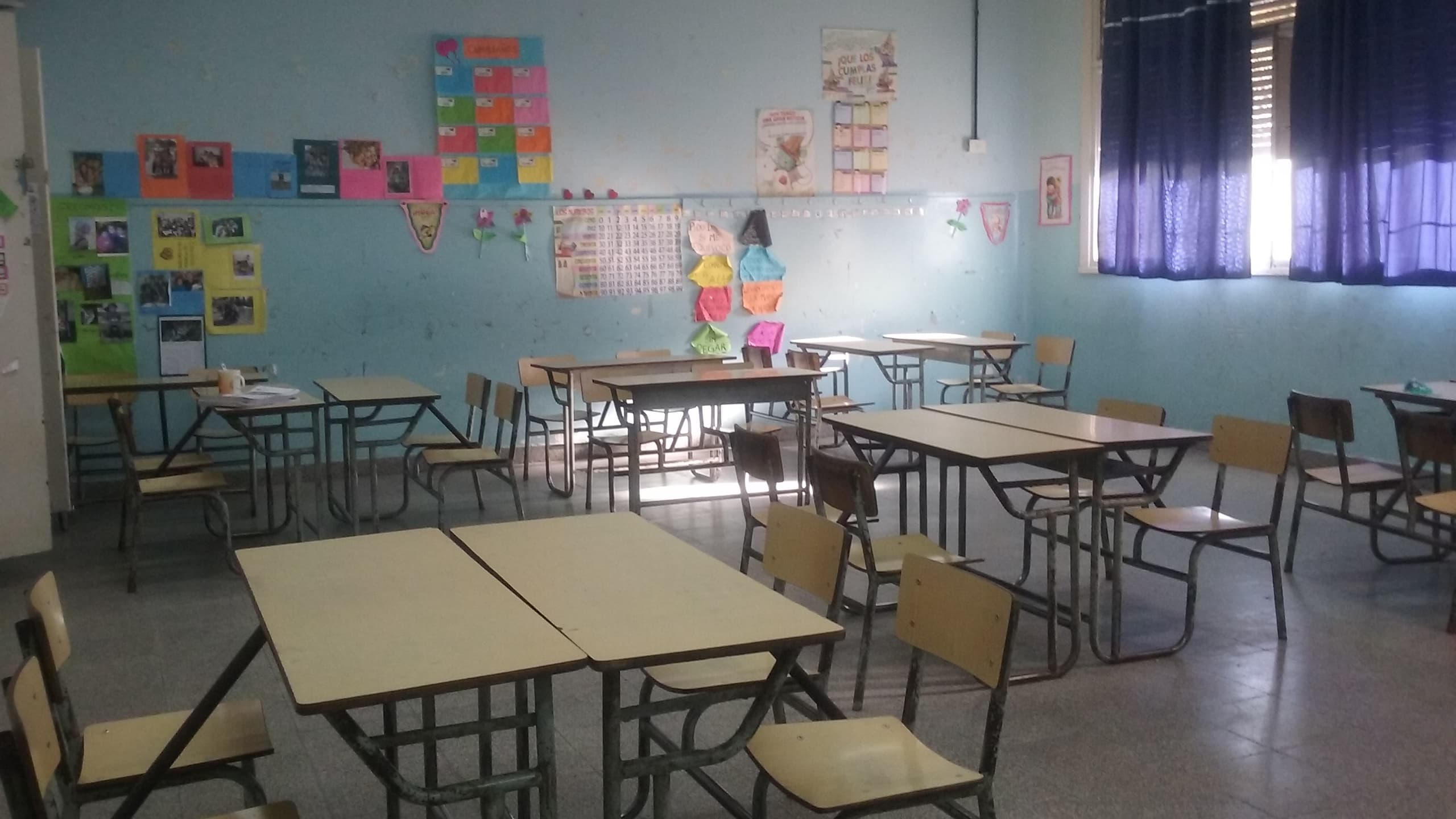
Start with a number the state would rather you not sit with. In 2024, roughly one in three Oregon students was chronically absent, each missing seventeen or more days of school, in a state that already runs one of the shortest school years in the country. Nationally the rate is closer to one in five. Oregon is not riding a national tide, it is setting the pace.
So this month the Oregon Department of Education walked its fix into the Senate Interim Education Committee. The plan is to repeal the laws that require kids to attend. Read that twice, because the people who wrote it are counting on you not to.
"Repeal and replace," and keep the word that no longer means anything
Here is the actual recommendation, straight out of the department's own 23-page report: repeal ORS 339.010 through 339.095, the statutes that make school attendance compulsory in Oregon, and hand the details to the State Board of Education to write later as rules.
They will tell you this is not abolition, and technically they are right. The replacement language would still "include compulsory attendance requirements and exemptions." They are keeping the word compulsory.
They are just retiring everything that ever made it true. What comes out is the part with teeth: the "compliance-oriented definitions," the "static thresholds," the "enforcement mechanisms." What comes in is softer, and you have to read closely to catch how soft.
From a fact you can flunk to a "growth journey"
The report says Oregon should stop treating attendance as "compliance with minimum thresholds" and start treating it, and I am quoting, as "a performance growth indicator."
Sit with that. Attendance used to be a fact. The child is in the seat, or the child is not. Now it is a "growth indicator," a thing that can always be "improving over time" no matter how many desks sit empty on any given Tuesday.
The department's own words for the change: "a shift from enforcing attendance through prescribed sanctions to using attendance data as a continuous signal for improvement, support, and system effectiveness." In plain English, we will keep collecting the number, we have just stopped letting it mean we failed.
It even wants to scrap the words "excused" and "unexcused," because, it says, those labels place "a value statement on absences" and feed "a misconception about absences." When a third of your classroom is empty, it turns out the most dangerous word in the building is the one that implies a full classroom was ever the point.
They love a mandate. Just not this one.
Here is the thing nobody at that hearing said out loud. This is the same managerial class that never met a mandate it did not like. They mandate the curriculum. They mandate the training. Not long ago they were mandating what went over your child's face. Compliance is the family business.
So when these particular people, in this particular agency, suddenly decide that a compliance regime is "outdated" and creates "tension," it is worth asking which one they chose to set free. They did not pick a mandate that embarrasses you. They picked the one that embarrasses them.
They are not anti-mandate. They are anti-scoreboard. And the scoreboard reads one in three.
Follow the money, because the report already did
Now ask the only question that ever really matters: who benefits? Follow the money, and the department's own report walks you straight to it, because it cannot stop talking about something called ADM.
Average Daily Membership is how Oregon decides what each district gets paid out of the State School Fund. Bodies on the roll become dollars in the budget. The report is fluent in this. It frets, at length, over students who hit ten straight days of absence and threaten to fall off the count, and it floats "partial payments" so the cash keeps flowing for kids who are functionally gone.
The department even writes, in black and white, that ADM "was designed to allocate State School Fund resources and not to define who may learn."
Translation: keep the money attached to the child, just detach the standard.
The cover story is always "equity"
Every move like this needs a kinder name, and the report has one loaded. Finding 6 warns that enforcing attendance carries a "heightened risk of civil rights violations" for "focal student groups."
And there is something real down there. Kids miss school for illness, for a job, because the bus never came, and fining the family of a sick fourteen-year-old fixes none of it. Oregon learned that the easy way, repealing truancy fines on parents back in 2021.
But watch the shape of the argument, because you will see it again and again. A failure of the institution gets recast as a justice cause, and the cure always runs one direction: less accountability for the adults, never more, always graded on a curve the system drew for itself.
The kid nobody is required to find
Here is the part that should keep a parent up, and it came from the department's own witness. Candice Castillo, the department's deputy director of academics, acknowledged to lawmakers that some students who keep missing school simply unenroll or stop showing up, disappearing altogether.
Disappearing altogether. That is the real stake, and the plan's answer is to strip out the last requirement that anyone even notice. The softest-sounding policy in the room abandons the very child it claims to protect. No teeth means nobody comes looking.
When your own party asks where the teeth went
If you think this is a conservative talking point, you were not in the room. The people pressing the department were Democrats.
State Senator Janeen Sollman of Hillsboro asked, flatly, "what the teeth" of the plan would be, then said the quiet part out loud: "I sometimes worry Oregon gets in its own way when we remove the accountability." Her colleague Courtney Neron Misslin asked for a second meeting just to understand what she had been handed.
When the members of your own committee cannot find the accountability in your accountability plan, the plan is the problem.
What honest would look like
An honest department would do the harder, less flattering thing. It would keep the number that hurts and stare at it. It would fund the two-person "Every Day Matters" team like the crisis it is instead of the rounding error it looks like. It would put a counselor on the porch of the kid who vanished, and it would measure attendance as attendance, not as a "continuous signal."
Keeping a standard you are failing is uncomfortable. That discomfort is the entire purpose of a standard. Take it away and the institution never has to change, because on paper it never failed.
We have seen this trick before
None of that is what Oregon is proposing, of course, because this is a familiar move. When a number makes an institution look bad, the cheapest fix is never to change the number. It is to change what the number is allowed to mean.
Step by step, that is what Oregon has been doing to truancy. It already took away the penalty in 2021. Now it wants to take away the requirement and the very words that mark a miss, all of it wrapped in the warmest language available, the state's "reimagined accountability framework."
You do not lower a fever by smashing the thermometer. You just lose the right to say how sick you are.